
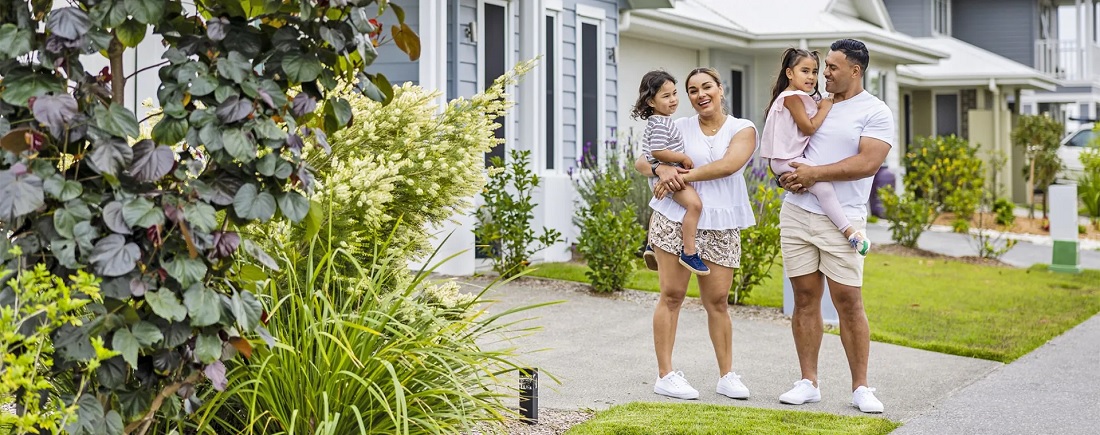
Beyond the City: Why Lifestyle-Focused Communities Are Driving Queensland’s Next Chapter of Growth

Buying a home is no longer just about choosing a property with the right number of bedrooms or the perfect floor plan. Increasingly, Australians are looking for communities that support the way they want to live today while offering confidence for the future.
This shift has changed the way people evaluate residential locations. Instead of focusing solely on distance from a CBD, buyers are asking broader questions. Does the neighbourhood encourage an active lifestyle? Are there green spaces nearby? Is there room for future growth? Will the community continue to evolve as families’ needs change?
These questions are shaping demand across Queensland, where a growing number of masterplanned communities are offering buyers a combination of convenience, nature, and long-term liveability.
Rather than competing purely on location, these communities are creating environments where residents can build lasting connections, enjoy everyday amenities, and benefit from thoughtful planning.
The Definition of a Great Neighbourhood Is Changing
For many years, homebuyers prioritised proximity to employment centres above almost everything else. Long commutes were accepted as part of everyday life if it meant living closer to work.
Today, priorities are more balanced.
Flexible working arrangements, changing family dynamics, and greater awareness of wellbeing have encouraged buyers to think differently about where they live. Access to parks, walking trails, schools, community facilities, and local shopping can now carry just as much weight as commuting times.
As a result, neighbourhoods are increasingly judged on how well they support everyday living rather than simply how close they are to a city centre.
Why Community Design Matters More Than Ever
The physical design of a neighbourhood has a significant influence on residents’ daily experiences.
Well-planned communities encourage people to spend more time outdoors, interact with neighbours, and access local amenities without relying entirely on their cars.
Features that contribute to a strong community include:
- Connected walking and cycling paths
- Landscaped parks and open spaces
- Safe streets
- Community gathering areas
- Convenient access to schools and services
When these elements are integrated from the beginning, they create neighbourhoods that remain appealing for decades rather than just during their initial development.
The Rise of Lifestyle-Led Property Decisions
Lifestyle has become one of the strongest drivers of residential demand.
Many buyers are no longer looking for simply a house; they want an environment that complements their daily routines and long-term goals.
This includes access to:
- Outdoor recreation
- Family-friendly amenities
- Community events
- Natural surroundings
- Everyday convenience
These lifestyle factors contribute to overall wellbeing while helping residents develop stronger connections with their local area.
Green Space Has Become a Valuable Asset
Numerous studies have shown that access to parks and natural environments supports both physical and mental wellbeing.
For homeowners, nearby green space can provide opportunities for:
- Morning walks
- Children’s play
- Weekend recreation
- Community activities
- Outdoor exercise
Beyond personal health benefits, thoughtfully designed green spaces also enhance the visual appeal of neighbourhoods and contribute to a stronger sense of place.
As urban populations continue growing, access to nature is becoming an increasingly valuable feature of residential communities.
Long-Term Planning Creates Better Places to Live
Successful communities rarely emerge by chance.
They are the result of long-term planning that considers not only today’s residents but also future generations.
This planning typically includes:
- Diverse housing choices
- Integrated transport connections
- Recreational facilities
- Environmental preservation
- Future commercial and educational services
Communities developed with a long-term vision often adapt more successfully as populations grow and residents’ needs evolve.
The Importance of Housing Choice
No two households have identical housing requirements.
Some buyers are entering the market for the first time, while others are upgrading to accommodate growing families or downsizing after retirement.
Communities that provide a variety of housing options are generally better positioned to support residents through different life stages.
Housing diversity also contributes to more balanced neighbourhoods by attracting a wide range of people with different lifestyles and experiences.
Connectivity Extends Beyond Transport
Transport infrastructure remains important, but connectivity now means much more than roads and rail lines.
Today’s residents also value easy access to:
- Schools
- Healthcare
- Retail centres
- Sporting facilities
- Entertainment
- Community services
The ability to reach these destinations conveniently improves everyday life and reduces the amount of time spent travelling.
This broader understanding of connectivity is influencing how many Australians evaluate residential locations.
Community Identity Builds Long-Term Appeal
Neighbourhoods that develop a strong identity often become highly desirable places to live.
Community identity can be shaped by:
- Local events
- Shared public spaces
- Distinctive landscaping
- Architectural character
- Environmental features
When residents feel connected to their neighbourhood, they are more likely to remain in the area and actively contribute to the local community.
This sense of belonging is difficult to measure but often becomes one of a suburb’s greatest strengths.
Queensland’s Growth Is Creating New Opportunities
Queensland continues to experience strong population growth, driven by interstate migration, economic opportunities, and lifestyle advantages.
As more people relocate to the state, demand is expanding beyond established metropolitan areas into emerging residential communities that offer space, affordability, and quality of life.
Rather than concentrating growth within existing urban centres, many new communities are being designed to support sustainable expansion while maintaining access to open space and essential services.
This approach helps create neighbourhoods capable of meeting future housing demand without sacrificing liveability.
Masterplanned Communities Continue to Evolve
Modern masterplanned communities differ significantly from traditional suburban developments.
Rather than focusing solely on residential construction, today’s projects often integrate:
- Parks and recreation
- Walking and cycling infrastructure
- Community facilities
- Environmental conservation
- Retail and commercial services
This holistic approach creates neighbourhoods where residents can enjoy a more balanced lifestyle while remaining connected to essential amenities.
It also contributes to stronger long-term appeal for both homeowners and future buyers.
Balancing Nature and Urban Convenience
One of the defining characteristics of many successful Queensland communities is their ability to combine natural surroundings with modern infrastructure.
Residents increasingly appreciate being able to enjoy green landscapes without sacrificing access to schools, shopping, healthcare, or employment opportunities.
Achieving this balance requires careful planning that protects natural features while accommodating future growth.
Communities capable of offering both environmental quality and urban convenience are becoming increasingly attractive across the state.
Choosing a Community That Grows With You
Buying property is often a long-term decision.
As a result, buyers should consider not only how a community meets their current needs but also how it may support future changes in their lives.
Questions worth asking include:
- Will the neighbourhood continue developing?
- Are additional amenities planned?
- Is there room for future population growth?
- Will schools, parks, and services continue expanding?
Thinking beyond the property itself can help buyers make more informed decisions that continue delivering value over many years.
Learning From Queensland’s Emerging Communities
Across South East Queensland, several communities demonstrate how thoughtful planning can create attractive places to live.
Areas such as the quarry keperra showcase the growing demand for neighbourhoods that combine natural landscapes with well-considered residential planning, offering buyers an alternative to more densely developed urban environments.
Similarly, Brookhaven illustrates how communities can successfully integrate green open spaces, family-focused amenities, and long-term planning to create neighbourhoods that appeal to a wide range of homeowners.
Although each community has its own unique characteristics, they reflect a broader trend toward creating places where people can enjoy both convenience and quality of life.
Looking Beyond Today’s Property Market
Housing markets inevitably experience cycles.
Interest rates change, economic conditions fluctuate, and buyer preferences continue evolving.
However, communities built on strong fundamentals tend to remain attractive regardless of short-term market conditions.
Factors such as:
- Quality planning
- Accessible amenities
- Environmental sustainability
- Community infrastructure
- Lifestyle opportunities
often contribute more to long-term desirability than temporary market trends.
For buyers, understanding these broader influences can provide valuable perspective when evaluating future opportunities.
Conclusion
Choosing where to live has become about much more than selecting the right home.
Today’s buyers increasingly seek neighbourhoods that support healthy lifestyles, encourage community connections, and provide opportunities for future growth.
Queensland’s expanding residential landscape reflects this changing mindset, with thoughtfully planned communities offering a balance of nature, convenience, and long-term liveability.
Examples such as the quarry keperra and Brookhaven demonstrate how modern neighbourhoods are evolving to meet the expectations of contemporary buyers. As population growth continues and housing needs change, communities that prioritise thoughtful planning, green spaces, and everyday convenience are likely to remain among the state’s most desirable places to call home.

Comments are closed.