
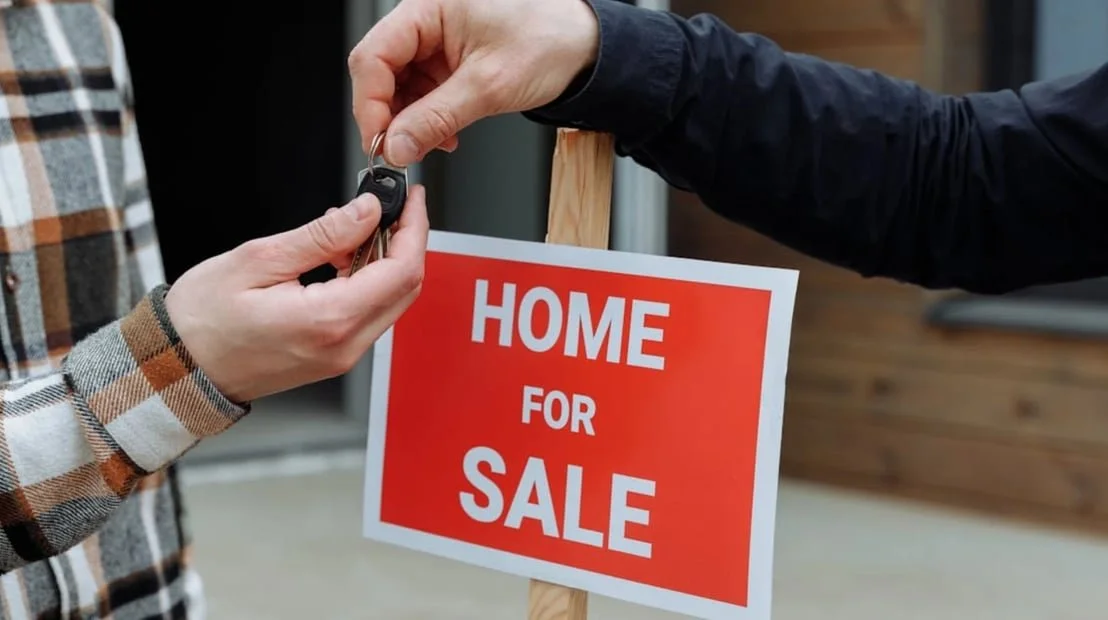

Selling a home in a thriving seller market feels almost effortless. Buyers compete for limited inventory, bidding wars are common, and properties often sell above the asking price in a matter of days. However, when the real estate cycle shifts and inventory expands, interest rates rise, or economic growth cools, sellers find themselves navigating a slow market. In a buyer market, power rests firmly in the hands of purchasers. Properties sit longer on the market, price reductions become routine, and prospective buyers grow exceedingly picky.
In a sluggish real estate climate, your pricing strategy becomes the single most critical factor determining whether your property sells or languishes for months. An emotional or overly ambitious listing price will alienate active buyers, cause your property to accumulate market days, and ultimately lead to a lower final sale price than if you had priced it correctly from the start. Successfully selling a home in a slow market requires setting aside personal sentiment, analyzing hard data, and implementing strategic pricing techniques designed to compel hesitant buyers to act.
Understanding the Mechanics of a Slow Market
Before setting a listing price, sellers must understand the underlying dynamics of a slow market. A shifting market occurs when the supply of available homes outpaces buyer demand. This imbalance is typically driven by elevated mortgage interest rates, broader economic uncertainty, localized job shifts, or simply a seasonal slowdown.
When inventory grows, buyers gain time and leverage. They attend multiple open houses, compare features carefully, and negotiate aggressively. They feel no urgency to write an immediate offer on a home that appears overpriced, knowing that another suitable option will come along shortly.
In this environment, active listings are competing against each other for a smaller pool of qualified buyers. To win that competition, your home must present superior value relative to the existing options in your immediate neighborhood.
Analyzing Comparable Sales with Precision
The cornerstone of any accurate home pricing strategy is a Comparative Market Analysis, commonly referred to as a CMA. While a CMA is important in any market, its interpretation requires a far more analytical eye during a market downturn.
Standard real estate advice suggests reviewing comparable properties that sold within the past three to six months. In a rapidly slowing market, three-month-old sales data may already be outdated. Prices that buyers paid six months ago might reflect a previous market cycle that no longer exists.
When evaluating comparable properties in a slow market, focus on these critical elements:
-
Pending Sales over Closed Sales: Look closely at properties currently under contract. While the final closed price is not yet public knowledge, pending sales indicate where buyer demand is actively committing money right now.
-
Active Competition: Examine active listings carefully. These homes represent the direct alternatives a buyer will evaluate alongside your property. Your goal is to position your home as a better value proposition than these active options.
-
Days on Market: Track how long active listings have been sitting. Properties with high days on market indicate prices that local buyers have repeatedly rejected.
-
Price Reduction Patterns: Note how many active listings have undergone price cuts and calculate the average percentage of those reductions. This reveals how aggressively competitors are trying to regain buyer attention.
Adjust your expectations based on recent downward trends rather than relying solely on historical closed prices that may reflect peak market conditions.
Strategic Pricing Tactics for a Buyer Market
Setting the right price is not simply about picking a fair market value number; it is about psychological positioning. In a slow market, subtle pricing adjustments can dramatically increase your listing visibility and buyer engagement.
Price Ahead of a Falling Market
If property values in your neighborhood are declining by one or two percent per month, pricing your home at today’s fair market value means you will be overpriced by the time buyers tour it next month. By the time you drop your price to meet the market, values may have fallen further, leaving you chasing the market down.
To avoid this trap, price your home slightly below current comparable sales. By pricing slightly ahead of the downward curve, you stand out as the best deal available, which often creates urgency among buyers and leads to a faster sale at a higher net price.
Target Search Bracket Thresholds
The vast majority of home buyers begin their search on digital real estate portals using price filters. These filters typically run in incremental brackets, such as $400,000 to $450,000 or $450,000 to $500,000.
If your comparative analysis suggests your home is worth roughly $505,000, listing it at $499,900 exposes it to an entire audience of buyers searching up to $500,000. Listing at $505,000 hides your home from that buyer pool and places it at the very bottom of the $500,000 to $550,000 search bracket, where it competes against larger or more upgraded properties.
Avoid Emotional and Nostalgic Pricing
Homeowners naturally harbor deep emotional connections to their residences. You remember the hard work put into landscaping, the cost of custom cabinetry, or the family memories built inside the walls.
However, buyers do not pay for your memories or your personal taste. Upgrades like high-end wallpaper, specific tile choices, or custom built-ins rarely yield a dollar-for-dollar return on investment. Evaluate your home’s condition through the neutral eyes of an appraiser or a competitive shopper.
The Cost of Overpricing in a Slow Market
Overpricing is the most damaging mistake a seller can make when buyer demand is weak. Some sellers intentionally list high with the mindset that they can always reduce the price later if they do not receive offers. In a slow market, this strategy almost always backfires.
The lifecycle of an overpriced listing typically unfolds through predictable stages:
-
The Initial Freeze: The first two to three weeks on the market represent your home’s highest exposure period. Serious, pre-approved buyers monitor new listings daily. If your initial price is perceived as excessive, these buyers skip your property entirely and move on to better-valued options.
-
Stale Listing Stigma: As days on market accumulate into months, buyers begin to assume that something is structurally or legally wrong with the property. The question shifts from “Do I like this house?” to “Why hasn’t anyone else bought this house?”
-
Lowball Offers: When an overpriced, high-days-on-market listing finally receives an offer, it is almost always a aggressive lowball proposal. Buyers know the seller is growing desperate, and they use that leverage to demand substantial discounts.
-
Net Loss: After multiple price reductions and months of carrying costs—including mortgage payments, property taxes, insurance, and utilities—the seller ultimately nets far less income than if they had listed at a realistic, competitive price on day one.
Complementing Price with Condition and Incentives
Price is the primary lever, but it does not work in isolation. In a slow market, price and home condition are tightly linked. If you insist on holding out for a top-tier price, your home’s physical condition must be flawless.
To justify your competitive asking price, address minor cosmetic issues before going live:
-
Refresh interior paint with clean, neutral tones to brighten living spaces.
-
Repair visible defects like leaky faucets, squeaky doors, or cracked window panes that suggest poor maintenance.
-
Deep clean carpets, scrub tile grout, and eliminate all household or pet odors.
-
Clear away personal clutter, family photos, and oversized furniture to make rooms feel open and spacious.
If your home requires major updates—such as an aging roof or outdated electrical panel—that you cannot afford to repair before listing, you must adjust your asking price downward to account for those capital expenditures. Alternatively, you can offer strategic seller concessions, such as offering a buyer credit at closing to buy down their mortgage interest rate or cover their closing costs.
Frequently Asked Questions
How long should I wait before lowering my listing price in a slow market?
In a sluggish market, you should evaluate buyer feedback and showing activity within the first two to three weeks. If your property receives high online views but zero showing requests, or if you hold multiple showings with no inquiries or offers, the market is signaling that your price is too high. Waiting longer than thirty days without making an adjustment increases the risk of your listing growing stale.
What is a reasonable percentage for a price reduction?
A price reduction must be substantial enough to shift your home into a new tier of buyer searches. Minor reductions of one percent rarely make a difference to prospective buyers. A meaningful price cut typically ranges between three and five percent of the listing price, effectively repositioning the home to attract fresh buyers who previously filtered it out.
Should I price my home lower than its appraised value to ensure a quick sale?
Pricing slightly below appraised or market value is a recognized strategy called value pricing. In a buyer market, this tactic can generate interest among multiple buyers who recognize an exceptional deal, potentially creating a competitive offer situation even when broader market conditions are slow. It helps ensure a swift transaction and minimizes monthly carrying costs.
Can seller concessions help avoid cutting the asking price?
Yes, offering seller concessions can sometimes preserve your headline listing price while reducing the financial burden for the buyer. In high-interest-rate environments, offering a seller credit to fund a mortgage rate buydown is often more appealing to a buyer than a direct reduction in the purchase price, as it significantly lowers their monthly mortgage payment.
How do I know if my listing price is too high before I receive offers?
Pay close attention to initial showing traffic and feedback from visiting real estate agents. If agents consistently report that their clients liked the layout or location but felt the property was priced too high compared to nearby alternatives, your price needs immediate adjustment. Low showing numbers during the first two weeks are also a clear indicator of overpricing.
Is it better to take my home off the market and wait for conditions to improve?
If you have the financial flexibility to pause your moving plans and do not need to liquidate equity, withdrawing your listing until market conditions improve is a valid option. However, real estate market shifts can take several years to play out. If you must move due to a job relocation, family change, or financial necessity, adjusting your price to meet current market reality is far more practical than waiting indefinitely.
Does staging a home allow me to charge a higher price in a slow market?
Professional staging does not change the fundamental market value of a home, but it significantly improves buyer perception, photography appeal, and online engagement. In a slow market, a staged home typically sells faster than an unstaged competitor listed at the exact same price because it allows buyers to visualize themselves living in the space effortlessly.

Comments are closed.